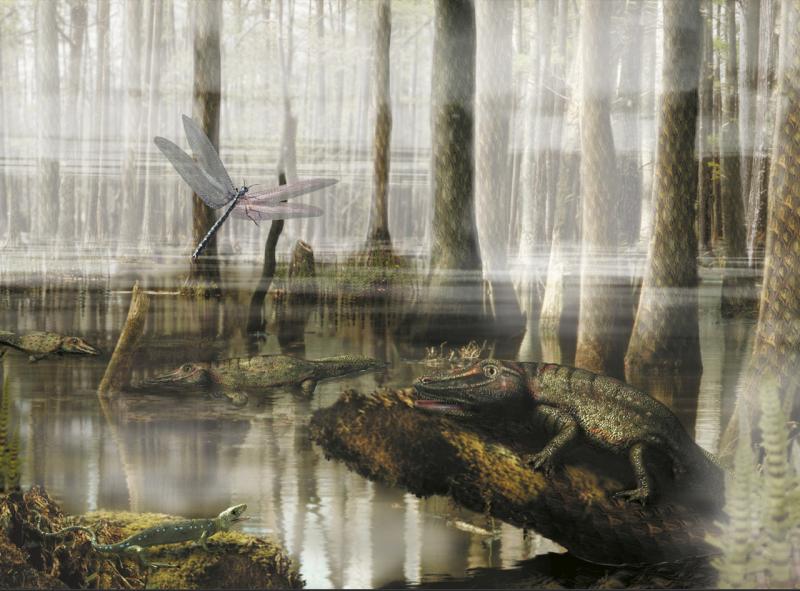
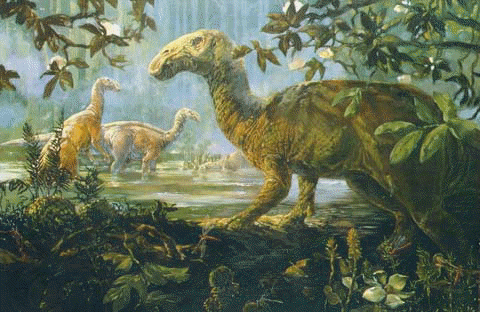
My view of creativity is very much in agreement with the thought that great ideas come from filling a mind with lots of fascinating concepts and evocative images and letting them ferment until one day something new comes growing out of the compost heap. A considerable amount of my creative “work” consists of looking for more ideas to add to my heap by reading lots of stuff remotely related to what I am working on (professionals call it “researching”) and pondering of what use they could be to me. It’s totally not slacking!
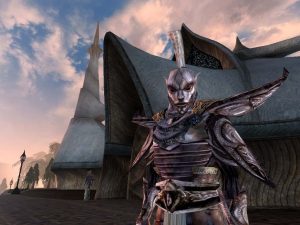
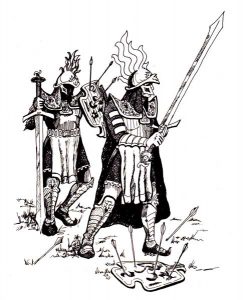
Morrowind
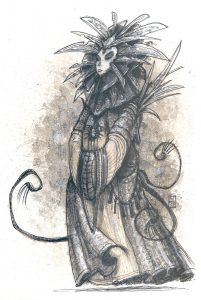
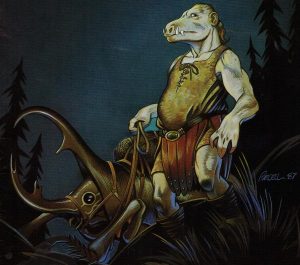
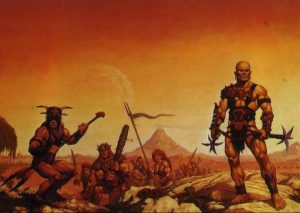
One thought that has occupied my recently is that many of the fantasy worlds I find highly inspiring for the Ancient Lands seem to share some common features or at least aesthetic. The two biggest influences are Morrowind and Planescape, and I know that the former was directly inspired by Glorantha. And I was actually surprised that Glorantha came into existance completely independently from Tekumel. I had assumed that there’s a direct link between the two, but both appeared in the world of fantasy games in 1974/1975, the very dawning days of RPGs. I’ve been wondering if there’s a name for the style shared by these worlds but it doesn’t seem to be the case.
Planescape
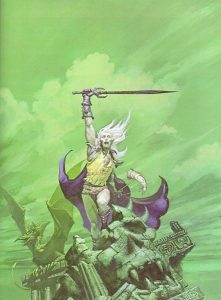
Looking further into it I also remembered additional settings that seem to share at least some similarity. There’s the Young Kingdoms from Michael Moorcock’s Elric stories, Dark Sun, and what I’ve seen also the RPGs Talislanta and Exalted. But it might all have started with Clark Ashton Smith’s proto-Sword & Sorcery tales set in Hyperborea and Zothique (though I admit only having read the former).
Glorantha
One term I’ve often seen to describe both Smith’s stories and Barker’s Tekumel is baroque. Which is described as an “artistic style which used exaggerated motion and clear, easily interpreted detail to produce drama, tension, exuberance, and grandeur in sculpture, painting, architecture, literature, dance, theater, and music” or “characterized by grotesqueness, extravagance, complexity, or flamboyance”. Yeah, that seems to about fit.
Tekumel
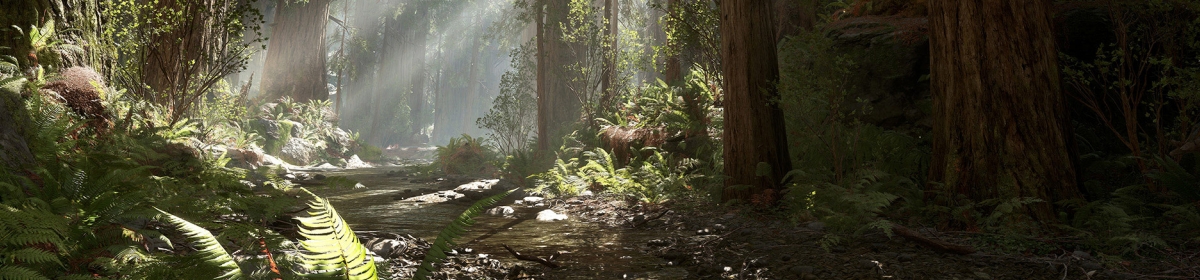
What all these settings have in common is that they are clearly not an imagined ancient history of Earth, but set in worlds that are only distantly “earthlike” in having mountains, forests, and seas and populated by cultures and creatures that have no obvious earthly counterparts. (Glorantha and the non-Morrowind parts of The Elder Scrolls aren’t sticking too close to that.) It’s something you can also find in Star Wars that adds spaceships and lasers to the mix but otherwise plays it perfectly straight. This is what sets them apart from the Tolkienian mainstream but also Howard’s Hyborian Age, which tend to be close to alternate histories with magic set on Earths with the coasts and rivers redrawn.
Dark Sun
So: Baroque Fantasy?
It’s not a term that has really been used so far, but I think it is definitly a thing that exist and has regularly shown its face through the last 40 years, often to very high praise. (I’ve found it used once, for exactly the same idea.) When you say baroque it comes with the connotation of “elaborate” and “complex”, and often also “confusing”. But I don’t think that it’s really necessary to have worlds with giant piles of information to evoke this aesthetic. Glorantha and The Elder Scrolls are massive beasts of settings, I’ve heard Tekumel is not very accessible either, and fully grasping Planescape means a lot of reading. (Though if you can get your hands on the box sets, the later is not too difficult to understand.) Hyperborea, Elric, and Dark Sun are all kind of borderline or fringe examples, but they all make do with very little exposition. And as a player, both Morrowind and Planescape can be a total blast even when you explore them without having any clue what you’re getting into.
Elric
The key elements of the baroque that makes this term applicable to this style of fantasy are extravagant, flamboyant, and grotesque. And I think that few people would content these qualities in the worlds I named. There is a certain downside in that baroque also is the name for a time period in European history with a distinctive architecture, music, and fashion, which don’t have anything to do with these works of 20th century fantasy. But it’s certainly a term that would be quite fitting.
I quite liked reading it and unusually for me also looked at the sources at the end of the article where I saw ‘Paizo: “Ancient Lands”: Basics for a “tribal/prehistoric” campaign setting.’
This is so cool. I occasionally get messages from people telling me they like my ideas (so much they make the effort of sending a message), but this is clearly the most amazing validation that there are people interested in my ideas and that there is an audience for what I fancifully dream to publish one day. It’s been a long time in the working already and things like this are always very reassuring that it’s totally worth to keep going ahead.
This last week I have been doing a lot of thinking about my work on the Ancient Lands setting so far. Going by my oldest notes that I could find, the whole idea started pretty much exactly six years ago, give or take a week or two. And after all this time of expanding, revising, and discarding and two short campaigns I find myself with almost nothing concrete to show for. Almost all the major elements like races, classes, technology level, magic, and religion have been there from the very start and I don’t really have much more written down than I had back then. As of now there are no maps, no settlements, no dungeons, abd no NPCs. They all ended up discarded because they just didn’t work for what I really wanted to make.
But it’s not like the years had been wasted and all the work been futile. Rather the opposite. I’ve learned so much about running games and building settings that I had no idea of back then and that helps me know to understand what it really is that I want and what I have to do to get there. And this process has given me more insights and made me more capable at realizing my vision up to right now. Or three days ago, to be more precise.
Last month I’ve been working on my Forest of High Adventure sandbox and despite having a really good feeling about it I ended up once more realizing that I had made somethin that really isn’t at all what I wanted. Instead of going straight back to the drawing board, I’ve spend much of the past days thinking about what went wrong and hunting down what other people have written about the process of creating wilderness sandbox campaigns. A mind with ADD tends to wander all over the place and into multiple directions at once, but when it comes to exploration and creativity that’s not actually a drawback. I really don’t remember how I got there, but the first conclusion I came to was that I had once more lost sight of my goal. The Forest of High Adventure was an attempt to make a wilderness sandbox out of the material from The Savage Frontier, which I consider to be the best setting sourcebook I’ve ever come across. But really, the original spark that got me into worldbuilding was not the thought that the High Forest is a great place to set a campaign in. It was the idea that the ancient past of the High Forest always sounded like a much more interesting setting to play in than the actual material that is described in the books. Including The Savage Frontier. So what have I been doing preparing an Ancient Lands campaign by reconfiguring the building blocks of The Savage Frontier?
The second thing I realized is that I really have to nail down what the core elements and assumptions are that are defining the setting and give it its unique character that distinguishes it from other worlds. I’ve spend a lot of work on figuring out such things as the tradenetworks of key resources, the main political powers of the region, the histories that led to the major conflicts, and things like that, but these all reall have nothing to do with exploring ancient ruins in the widerness and encountering the strange spirits that reside there. Even though its meant to be the central theme of the setting, I did almost nothing with spirits. So I scrapped all that for now and instead begin the creatio of new content with defining the relationship between people, the environment, and spirits.
I’ve been asking people what it means for a setting to have depth. And the best reply, that really nailed it for me and many others, was that the difference between a deep and a shallow setting is that in a deep setting the world itself provides the reasons why things are as they are and people do what they do. In a setting with depth the stories and the characters are specific to that setting and really only work within that setting. They can not be simply ported over to another setting. My favorite examples of these are always BioWare’s Mass Effect and Dragon Age settings, but the Metal Gear Solid series also has strong elements of that. They all have a very strong and distinctive identity and they do that almost without any need for history, maps, and political and economic organization.
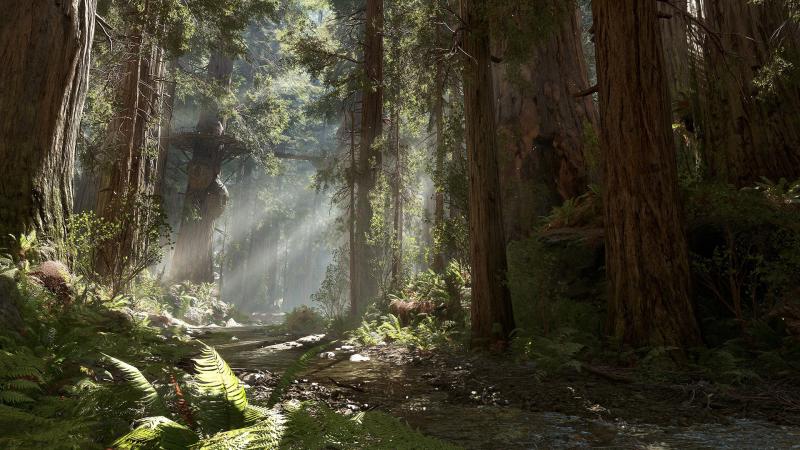
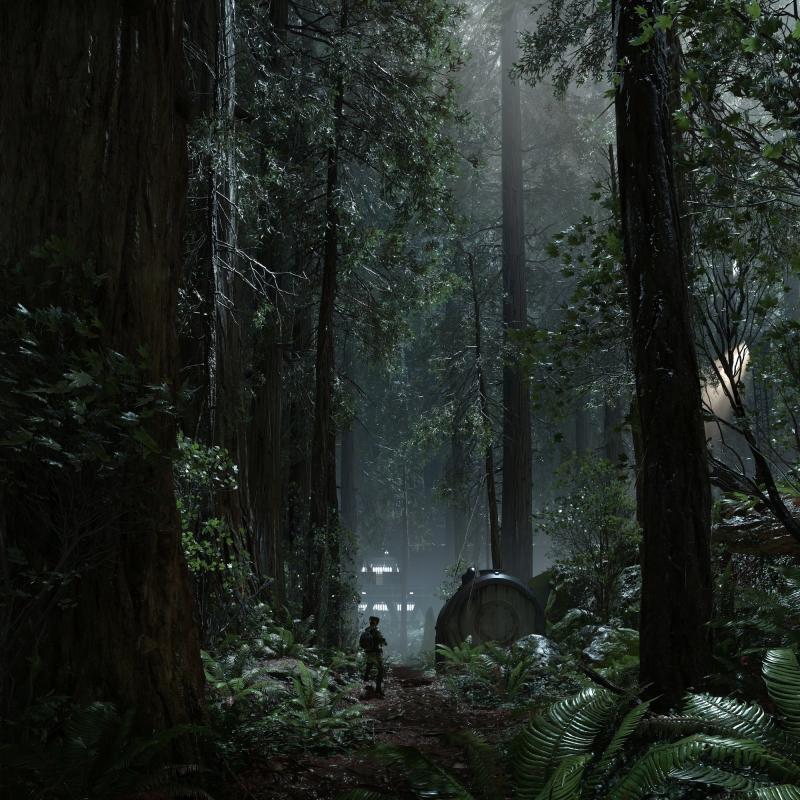
How do I do that for the Ancient Lands? As I said, the starting point for all of this was that I regularly found the lost realms of the distant past in many fantasy settings much more interesting than the present that is shown. The Lord o the Rings is a story about magic fading from the world and the end of the age of myth, to be replaced by our own world of rational progress. Which is a good story, but I would really love to also see a world in which elves and dwarves are not fading peoples and humans dominant, and in which dragons and giants still dominate. This idea evolved a bit further into a world that is animistic in nature and ruled by spirits, and I also like the atmosphere and aesthetics of exploring an almost uninhabited wilderness as in the D&D module The Isle of Dread, the continent Xen’drik in Eberron, and Kalimdor in Warcraft III. And yes, my favorite forest moon Endor also rears it’s green head again here. So I’ve been writing down notes for things that I thought are central to this vision and should be center stage in every adventure set in the Ancient Lands. And over the days they added up to a pretty decent list.
Civilization exists only because spirits protect it from the threats of nature.
Civilization ist precarious because spirits are alien.
The Wilderness is threatening because people are small.
The Spiritworld is not meant for mortal creatures.
All mortal endeavors are fleeting and nature will swallow up everything eventually.
Cities are unnatural. They are very unlike the way almost all people live and require the support of extraordinary powers.
Spirits do not prey on people but generally are not concerned about their wellbeing or that of animals or plants either. Usually it’s safest to not draw their attention at all.
Spirits have great control over their domains but can not act against their nature.
Sorcery can do things that spirits can not, but it poisons the land and the creatures on it.
The idea that civilization can never grow big or last for a long time came as a solution to having a wild world full of ruins while having the stubborn conviction to not make it another post-apocalyptical setting. There was no real practical reason for that other than wanting to be different. But I think this idea of perpetual collapse and the resulting certainty that the future won’t be different results in a very interesting mood for the setting. It also meshes well with the fact that for the vast majority of human history people couldn’t see any progress happening to their societies. People often complain about medieval stasis in fantasy settings, but for thousands of years that was how things felt for almost all people.
The idea to make cities alien places came to me just yesterday. I always knew I wanted to have a handful of cities but often thought about perhaps not describing them or having them appear in campaigns at all. But I was looking again at Chris Kutalik’s idea for Corelands, Borderlands, and the Weird in his Hill Cantons campaign and it seems like a very good approach to me. For the Ancient Lands, villages and towns and the small surrounding farmlands would be Corelands where everything is normal and adventures don’t usually happen.* The wilderness beyond the fields and pastures is the Borderlands, which are full of terrifying beasts and the challenge is to survive the treacherous journey to the dungeons. The Spiritworld and most dungeons are the Weird, where magical creatures can be found and the normal rules no longer apply. (*Adventures in the Corelands would mostly revolve around witches and cults, whose lairs are also Weird.) And cities in the Ancient Lands are clearly not places where you can rest in peace and safety and no real adventures happen,which disqualifies them for being Corelands. So instead of having the PCs be county bumpkins in the big city, why not make the cities outright strange and alien places? After all, they are kind of a violation of the natural relationship between people and the wilderness and it’s already established that sorcery is able to overcome the natural rules of the world. Making people believe that all cities are sorcerous places (and in many cases that’s actually the case) seems like a great way to make them fun in a wilderness campaign and it’s another thing to make the setting distinctive. I think I have to read Vornheim again. (And look what someone just did!)
So yeah, I am feeling really good about this whole worldbuilding thing. I have no gameable material right now (except for a 100 entry bestiary without pictures or typed out descriptions), but I feel like I have another major milestone reached. And perhaps now I’ll get a working sandbox put together.
I think some people would call coming across this image while writing this post syncronicity. I call it coincidence.
I was actually going to write about something completely different but while I was gathering my thoughts I kept doing some researching that I’ve been doing for the last days at the same time (the wonderful exciting world of ADD) and came across an old Hill Cantons post on the Sense of Place in fantasy. While my mental image of the Ancient Lands doesn’t come from one single place I actually can think of a number of environments that hugely impacted my own image of how I see the perfect fantasy world in my mind. All the pictures here can be clicked to embiggen.
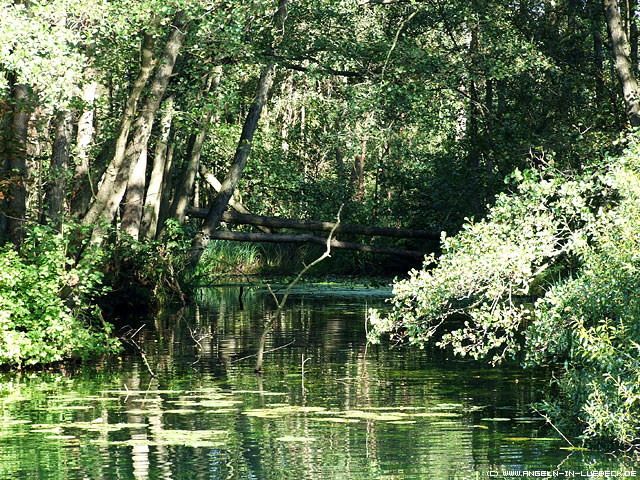
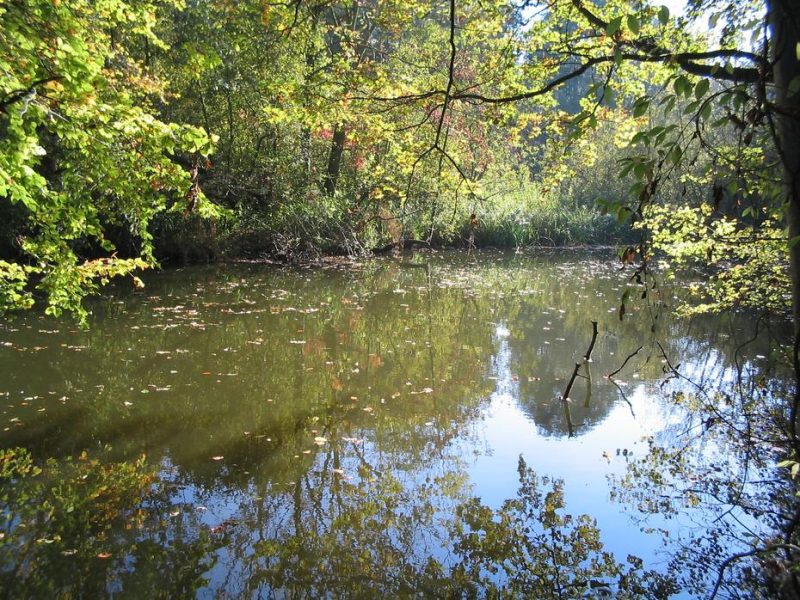
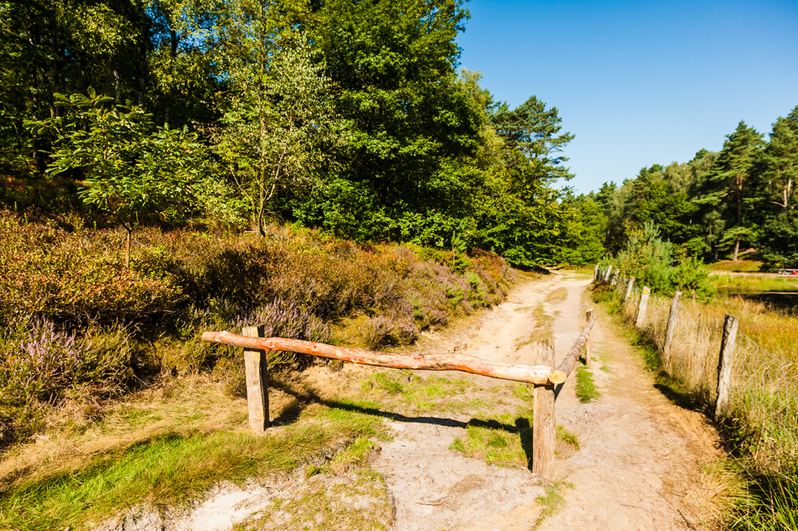
I grew up in Hamburg, which really isn’t a place to inspire fantastic landscapes. (Though it does have a fantastic zoo with lots of big animals from all over the world.) However, my grandparents lived on the edge of a village just about an hours drive away until recently and me and my brother were staying with them over weekends about once per month. And this is what we had right out the door.
Northern Germany clearly doesn’t make it high on anyone’s list of fanciest places in the world but this is what we got and I think it’s actually pretty cool. That river used to be the Iron Curtain. The far shore is Eastern Germany. But you couldn’t see it from the west shore because all the border fortifications were a good distance futher back for secrecy. (You could occasionally hear land mines going of, though.)
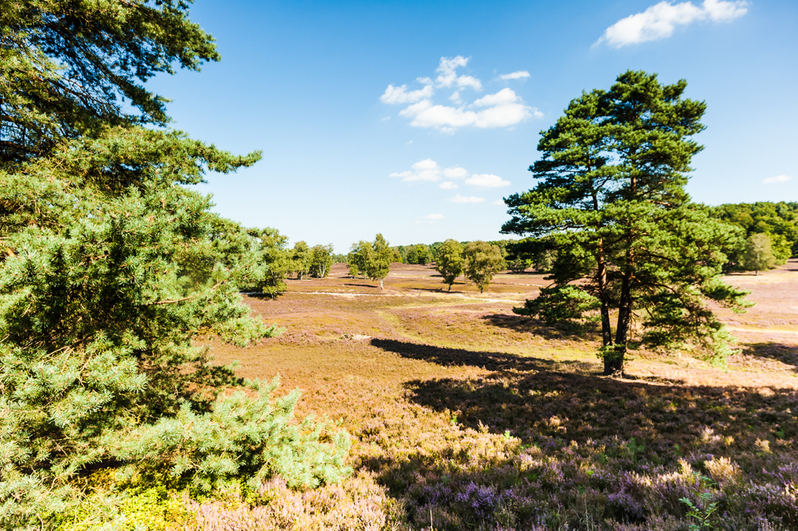
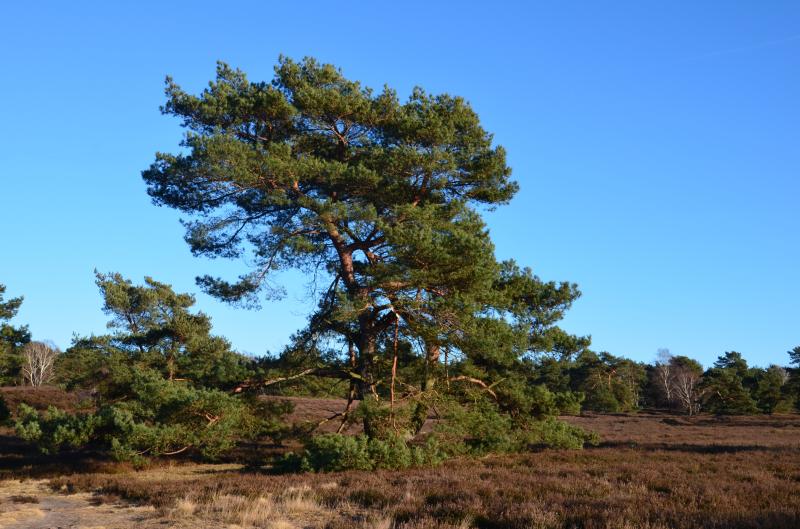
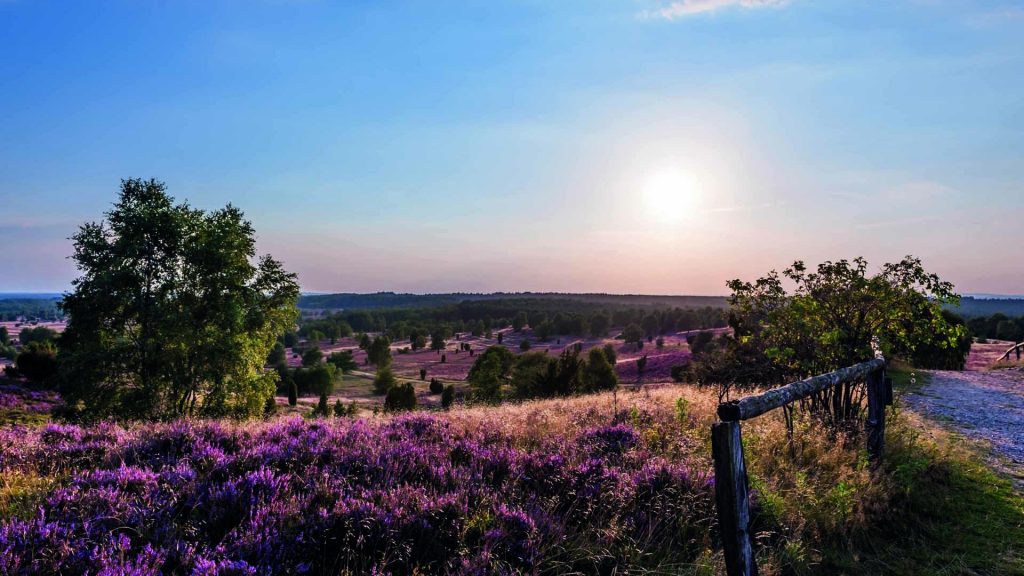
When I was in first grade we had our first school trip to the Lüneburg Heath, which I don’t think many people suspect to start right outside of Hamburg. We did five day trips and fortunately had amazing weather which really made it a huge experience that stayed with me forever.
I think the pictures aren’t really doing justice to the real place. Or at least to my memory of it. But it doesn’t really matter if I remember it as much more impressive than it really was, since in a fantasy world I can make it as amazing as I want.
Then there was this place:
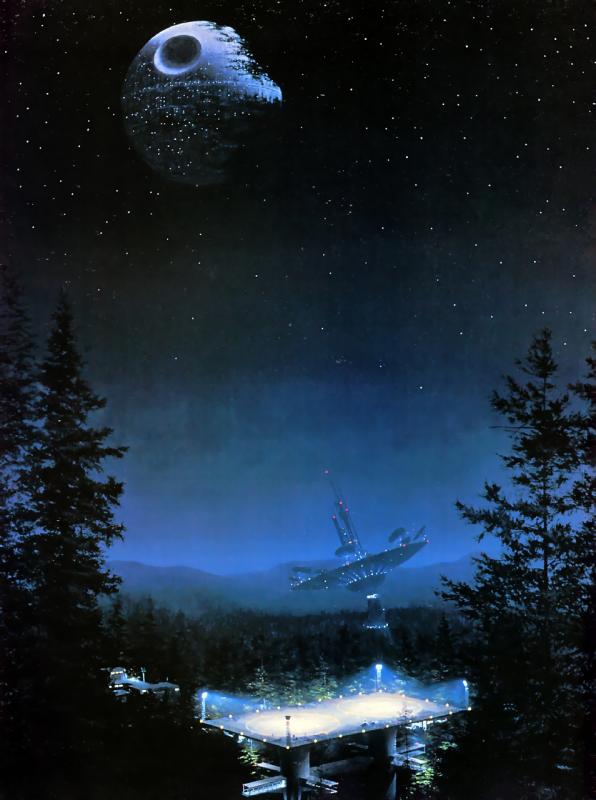
I can not overstate what an enormous influence The Empire Strikes Back and Return of the Jedi had on me. More than anything else, seeing these movies on a friday night and saturday morning on a tiny TV at a friend’s place when I was 11 defined what my creative imagination is today. Only playing Baldur’s Gate when I was 16 comes close, as it introduced me to the whole world of fantasy RPGs.
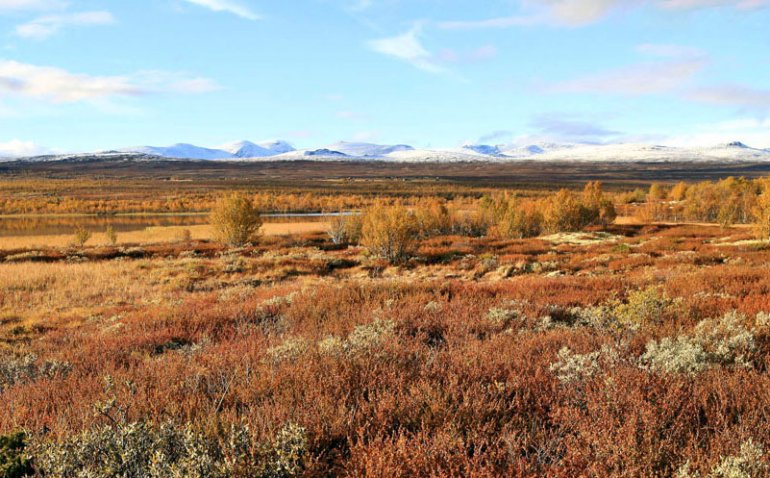
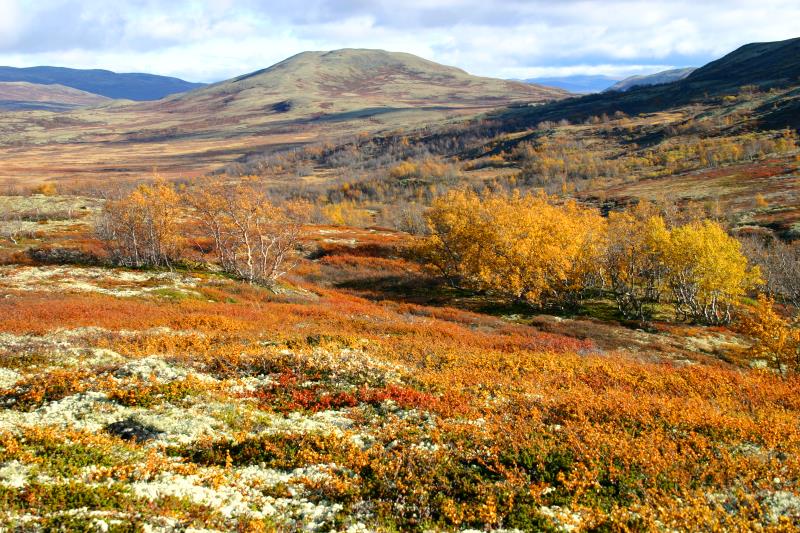
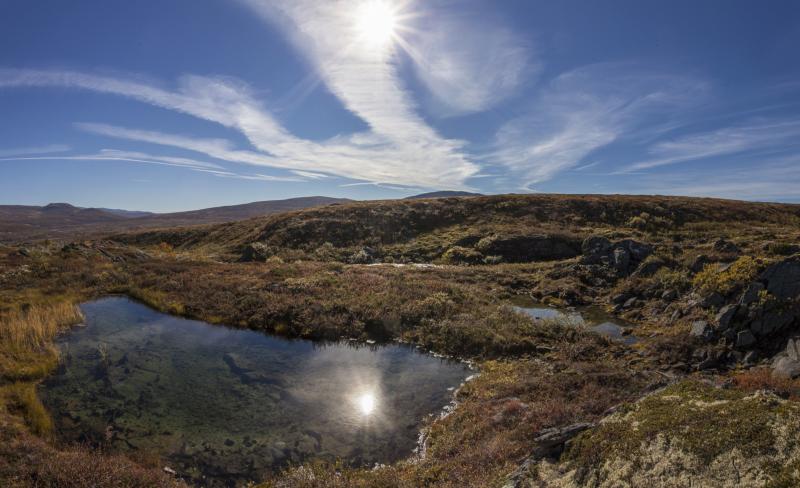
I think it was in summer 2000 when we went on vacation to Norway. (Because I remember being excited for Diablo II which would be out when we got back). And what forever stayed with me wasn’t the fjords, but the mountain tundra of the Dovrefjell.
I instantly loved this place and it’s still easily my favorite place in the world, even though we stayed in that area for only two or three days. There isn’t really anything to do, but it just looks amazing. And I think it might have reminded me of having seen the Lüneburg Heath. It doesn’t really look like you’re high up in the mountains because everything has been flattened by glaciers during the Ice Age, but even in the middle of summer, when you got something like 20 hours of daylight, it still gets really cold even that relatively far south.
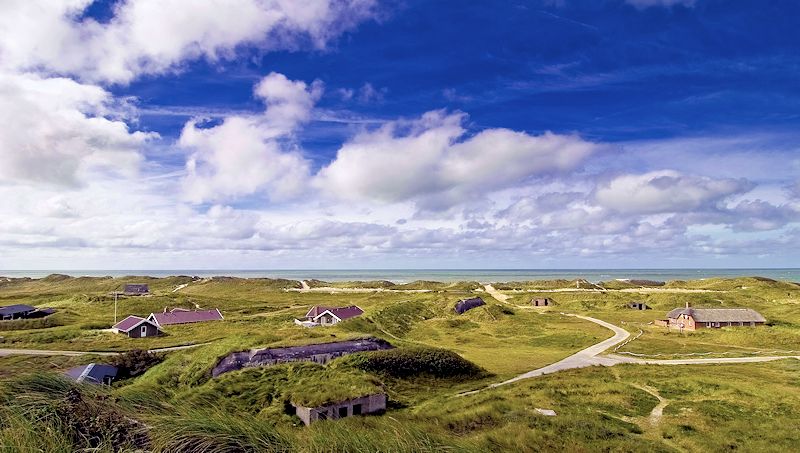
The next year we had a one week vacation to Denmark, which isn’t really much of a deal when you’re from Northern Germany and we’ve been there before, but this turned out to be one of my favorite vacations ever. I’m not completely sure, but I am pretty certain that we stayed in Løkken. While looking for pictures I came across several that showed old World War 2 bunkers and a paragliding club, which I both remember being nearby.
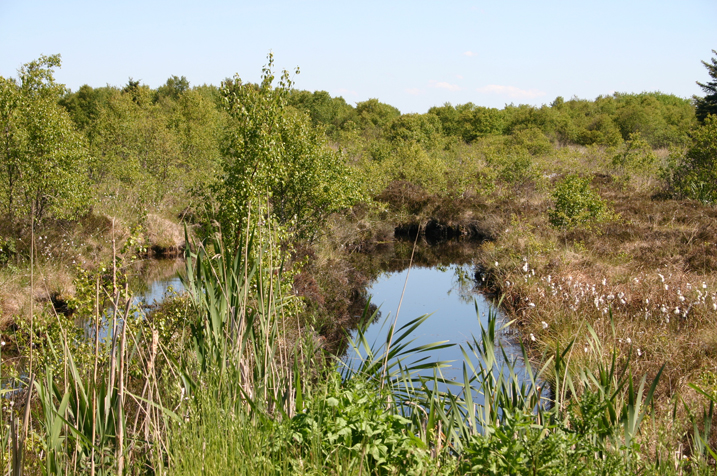
While thinking about what kinds of pictures to hunt for, I became aware of a consistent trend that goes through most of these places. And you’ve might have noticed it from looking at the pictures. I really like dried yellow gras. And looking at it now, also huge open skies. But I guess the later comes naturally when you grew up in cities in Northern Germany. Once you get out of the city you immediately get this vast open view.
There’s also something else I got reminded of by the aesthetics of these pictures:
Dinosaur Books!!!
The love for dinosaurs is in my genes. (I am pretty sure it’s the y-chromosome.) What could possibly be more awesome than dinosaurs?
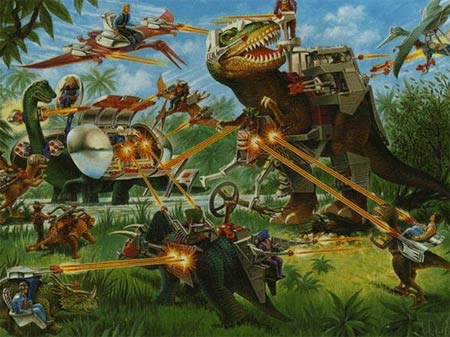
Dinosaurs with freaking laser beams attached to their heads!
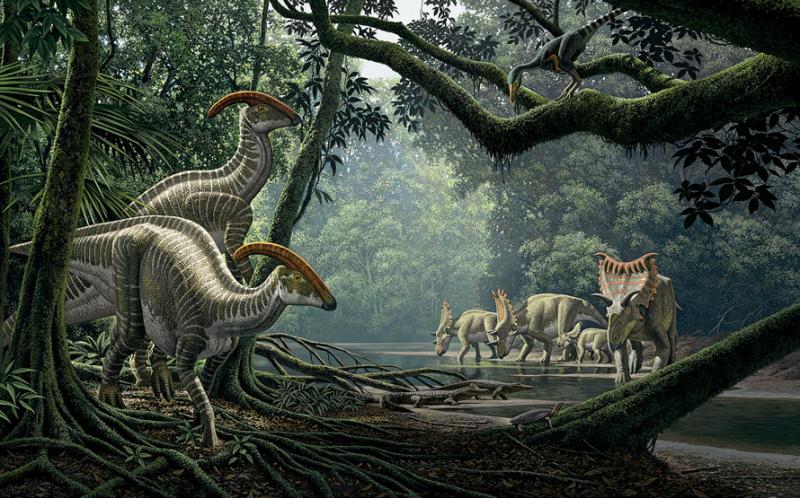
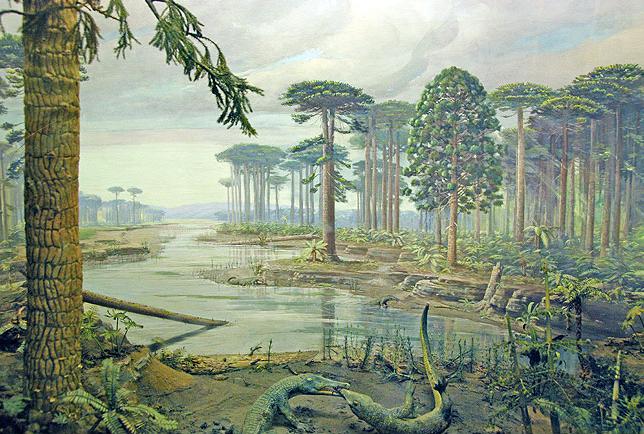
Okay, getting a bit overboard here. (But seriously, was there ever a toy line more awesome than this?) But still, I’ve always been a big dinosaur lover, and I think even more so than the average 6 year old boy. And the landscapes shown in dinosaur books from the 80s always had a certain style that I think really had an enormous impact on my sense of environmental aesthetics. And all these places I love share some resemblance with it. I originally planned to write about the finding emotional core of my plans for the Ancient Lands (which I’ll hopefully get to tomorrow) and this environmental aesthetic is a major part of it.
Jeff Rient’s 20 Questions for campaign settings are somewhat famous and I think most people have probably heard of them at some point. While I was working on a full continent sized setting I didn’t find them particularly helpful, but for building a sandbox and introducing it to the players they are a really useful tool. I went over them again with my Forest of High Adventure sandbox and it’s a good way to flesh out some elements that you didn’t think of before but that might be of interest to the players.
What is the deal with my cleric’s religion?
All priests (mechanically identical to witches) are shamans. Shamans who are in charge of or are serving at a particular shrine or holy place see themselves as servants of the local guardian spirit that is watching over the surrounding lands. Clan shamans and travelling shamans see themselves as intermediaries between spirits and mortals, serving as messengers and interpreters to reveal the will of the spirits to the people within their domain and delivering requests and performing sacrifices to the local gods.
Where can we go to buy standard equipment?
If one is of need of weapons, armor, and supplies, it’s usually the best idea to petition the local chief or one of the other great families for assistance. Many of them are inclined to share their resources with those brave enough to dare the ruins in the wilds, but this help always comes with a price. Some are willing to trade for silver and gold, but more often they expect a share of what the brave heroes might find, or even worse, a return favor in the future.
Where can we go to get platemail custom fitted for this monster I just befriended?
To get unusually sized lamellar armor or other unique gear made, the craftsmen in the harbor of Tula are a good first station to try. If one finds no luck there, there is also the skeyn mine in the rocky hills far to the north, whose smiths are the best in the land by far.
Who is the mightiest wizard in the land?
The elder druid of the Tall Trees is regarded by many as the most powerful master of magic in the lands along the two rivers. The shaman of the Blue Bear tribe is also a highly feared witch of terrible power, but if tales are to be believed neither of them would stand much hope to oposse the sorceress of the Demon Castle.
Who is the greatest warrior in the land?
Of all the warriors in the lands along the two rivers, none are as feared in battle as the chief of the Blue Bear clan. However, aside from his own warriors, very few people would consider him a great man in any other respect.
Who is the richest person in the land?
The Master of Tula claims a fee from any ships that come to trade in his harbor and that alone would make him a very wealthy man. But his family are also the biggest merchants in the land and control much of the local trade.
Where can we go to get some magical healing?
Each larger village has a shrine dedicated to the local gods of the land and the shamans who are their keepers often gain powers of healing in return for their services to the spirits. However, they might not always be inclined to share these with outsiders.
Where can we go to get cures for the following conditions: poison, disease, curse, level drain, lycanthropy, polymorph, death, undeath?
The corruption of sorcery and demons is very hard to remove but should it become necessary, the Druids of the Tall Trees would be the best hope to find help. There are also magical springs said to have healing powers hidden deep within the forests but these tend to be much harder to find. Dealing with undeath is easy. Any blade will do.
Is there a magic guild my MU belongs to or that I can join in order to get more spells?
The Druids of the Tall Trees, but they are not a trusting lot and don’t often take outsiders into their ranks.
Where can I find an alchemist, sage or other expert NPC?
The main port at Tula is by far the largest settlement within several hundred miles and home to a number of sages and alchemists. The high druid of the Tall Trees knows more about sorcery and how to fight it than anyone else but he is always weary about sharing this knowledge with those who might misuse it. Finally there is a great worm Elrem in the Caverns of the Great Worm, an ancient demigod of great power who has been alive far longer than anyone else in the land and knows much about its forgotten past.
Where can I hire mercenaries?
The harbor taverns of Tula are always a good place to find armed men looking for silver. Warriors of the Blue Bear clan are also always eager to get into a fight but while they are always fighting bravely they tend to not be very reliable when it comes to following orders.
Is there any place on the map where swords are illegal, magic is outlawed or any other notable hassles from Johnny Law?
Nobody is looking favorably on sorcery or the worship of demons, but the Druids of the Tall Trees have sworn oaths to destroy these blights to the face of the Earth wherever they encounter them.
Which way to the nearest tavern?
There are a few taverns in the two ports on the southern coasts, but in the villages of the forest drink and gossip are to be found in the great halls of the ruling chiefs.
What monsters are terrorizing the countryside sufficiently that if I kill them I will become famous?
There is at least one dragon lairing in the Endless Caverns in the mountains to the west. Rumor has it that it died some years ago but so far nobody has made any claims of having found its treasures.
Are there any wars brewing I could go fight?
The warriors of the Blue Bear clan are always looking for trouble and constantly skirmishing with their kin of the Tree Ghost clan, who went separate ways two generations ago. Savage Kaska from the Witchfens are making regular small scouting raids into the forests to the south and have become increasingly bold in getting closer to the villages of the northwest.
How about gladiatorial arenas complete with hard-won glory and fabulous cash prizes?
There are no treasures to be gained, but duels between great warriors are always a great source of fame and respect for the victors.
Are there any secret societies with sinister agendas I could join and/or fight?
They are secret. Keep looking.
What is there to eat around here?
Aside from a wide range of berries and tough greens, food consists primarily of potatoes and wheat. Goat and rabbit are the main meat in the larger settlements but there are also large numbers of deer to hunt in the forests.
Any legendary lost treasures I could be looking for?
A group of explorers have claimed to have found an enchanted sword and armor from the Nameless Dungeon the previous year. They went back to get more a few months ago but have not been seen since. Somewhere in the eastern forests is the fabled Grandfather Tree that both the Blue Bear and the Tree Ghost clans are looking for. It is said that the shamans of the ancestors who lived beneath its branches kept many magical relics in hidden chambers of their shrine.
Where is the nearest dragon or other monster with Type H treasure?
There is at least one dragon in the Endless Caverns who according to rumors died a few years ago but nobody seems to have found any trace of its treasures. There is also the sorceress of the Demon Keep who is believed to have amassed unimaginable riches and heaps of magical relics and artifacts.
It’s been a while since I presented my first idea for my planned Forest of High Adventure sandbox campaign, during which the barrel of ideas had a good amount of time to ferment. Recently I’ve got several replies of “That sounds great, I’d really like to play in a game like this” and guess what: It’s going to be a West Marches style open online campaign in which everyone can play on and off. If you really want to, you can play in this campaign. (The schedule is planned to be every sunday 6 pm CET/12 pm EST for about 4 hours, hopefully starting before next summer.) This puts me in a position where I don’t want to reveal too much of the actual specifics that players will encounter in the game.
But I already talked about the main sources I am using to build the sandbox and I think most potential players won’t have the first clue about what is happening in Against the Cult of the Reptile God and The Forgotten Temple of Tharizdun and wouldn’t be able to tell that they are currently in it until pretty far in. So I am going to keep things somewhat general and won’t go deeply into the specifcs about what the parties will discover in their explorations.
All in all my current plans have not changed a lot since my first concept draft. The four “main attractions” and small megadungeons (kilodungeons?) are still the Endless Caverns, the Nameless Dungeon, the search for Grandfather Tree, and a castle inspired by Hellgate Keep and the Palace of the Vampire Queen.
I will also be including my own interpretations of the Fountains of Memory from the Lost Peaks, the Lonely Tower, Gauntlgrym, Tall Trees, and the Cavern of the Great Worm. The last one wasn’t on my first map draw, but I think an ancient giant reptile that is shaman to a barbarian tribe is just a wonderful NPC who can be a major source of information, but would have a perspective on things that might make him reluctant to simply tell everything that reckless treasure hunters are asking him.
The Dire Woods and Ruins of Decanter won’t make it in becauseI’m not getting any interesting ideas from their descriptions and I still don’t know if I’ll include the Citadel of the Mists. As written the Mistmaster is just this super powerful good wizard who leads the fight against the demons in the forest from his magic castle. Not really what you want in a player driven dungeon crawl game.
Other adventures besides Reptile God and Tharizdun I’ve incorporated in my plans are Escape from Meenlock Prison, Raiders of the Black Ice, Come to Daddy, and the infamous Death Frost Doom. Contrary to common belief it does not have to lead to a total party kill and the destruction of the campaign setting. I think higher level PCs can actually survive the horror they might unleash and fixing up the aftermath, even if it’s with new characters, should be quite fun.
I also got several ideas for refinement of my original plans. Instead of having a large lake between to mountain ranges as the southern border of the sandbox I am going to set it directly at the coast. That will put the Witchfens in the northwest closer to the sea than I originally had in mind when making the Ancient Lands map but given the size of the sandbox that’s still plenty of distance and over the years I’ve been increasingly moving away from the idea of an accurate world map. A loose collection of local maps is entirely sufficient for a barely inhabited Points of Light wilderness. I’ve actually come to see large scale maps as a hindrance to making a world feel like magicalwilderness.
Also, am going to turn the paper of the map to the side to have it be more wide than high. The effect of this is that the large town in the center of the southern edge is now much closer to routes between the western and the eastern parts of the map. I originally had planned to keep the players deep in the wilderness and specifically put the town away from all the interesting locations but then I started getting all kinds of cool ideas for dungeons on the lakeshore or on islands. With the map paper sideways I can have the lake, that now turned into a coast, much closer to the rest of the action without having to completely redo the landscape from scratch.
Another thing I realized that having half-demon elves and fey’ri is redundant in a world that has sidhe. Thinking back, my original concept for these fey in my setting was based directly on the fey’ri in third edition Forgotten Realms. Just make them corrupted by sorcery and done. I can keep demonic influence limited to special occasions and at the same time have setting specific fey as a major part of the campaign. Double win.
I am very happy with how everything is taking shape. I’ve long been very sceptical about megadungeons and hexcrawls, and the Forest of High Adventure really isn’t either. But this is a dungeon crawling sandbox that I am really exited for to run and I feel that this is by far the campaign I am best prepared for yet. I still don’t have any dungeon maps, NPCs, encounters, or puzzles down on paper, but I think once you start to understand sandboxes they really are a way of running games that is pretty easy on the GM but promises a great return for players. The biggest challenge seems to regularly be getting players goingwith exploring and keeping the campaign going, but in that regard my researches have also provided a lot of good ideas that I am currently turning in my head.