The Map is not the Setting

When you try to look for advice on how to create a campaign setting, the most common answer you get is to start with drawning the coast lines. The possibility that the creation of a setting might not start with the geography is not even considered. My own opinion is that you should always start with a design concept that outlines themes and style and thinking of a map doesn’t come until step four or five, but that’s a discussion for another day.

For the last week or two, I have not been feeling really creative and so I turned to spend my time thinking about the theoretical aspects of the worldbuilding process. The initial spark to work on this setting has not really led to a full ignition yet. And after some pondering I found that all the work I did so far was really about creating a style, but this did not automatically lead to the emergence of something that feels like an actual place. I have put together a toolbox and constructed a lot of prefabs, but these are not yet assembled into actual structures. I actually do have a number of notes for settlements and places, but these feel more like tables of content than actual content. Intentions to make things but not actual things.

And this is something that I actually find in a lot of published campaign settings. They give you lots of things that are interesting to look at, but fail to give you any impression of what you could do with them. Just this week I was reading a discussion about Planescape. And pretty much everyone involved agreed that it is a wonderful setting but they have not yet found any good ways to actually use it for playing. I think that a good campaign setting does not actually consist of places, or even of specific people, but of things to do. You can describe a place with lots of details on the many buildings and their inhabitants. But if you describe a static place, then there is not really a reason for players to go there. Or if they get there, to stay there.

Perhaps it is actually much more useful to create gameable material by conceptualizing a place as a conflict first, and then creating the involved people and buildings second. As a GM, what I really want from a campaign setting book, or my own prepared notes, is to hand me material that I can use as the base to build my next adventure on. This had me thinking back to the Kobold’s Guide to Worldbuilding, which has its best pieces in the introduction. A good campaign setting isn’t an execlopedia, but a precarious stack of boxes of dynamite that you hand to the GM whose players are already fidgeting with matches. I had always though of this on the scope of whole worlds, applying to charged conflicts between contries or global organizations. But now I think it might really apply much more to the very small scale of individual villages. Because that’s where play does take place. That’s where players are personally involved and able to influence things. A big global conflict can be nice to have to tie individual adventures in different places together with a shared theme and common continuity. But it is not a substitute for adventure potential right before and around the PCs. You can have a perfectly fine campaign without a global conflict. But not one without conflict where the players are.
Was OSR ever “a thing”? Or always just an idea?

Coming home from work today, I did my daily browsing through my list of RPG links to check for anything new. (RSS is witchcraft.) And turns out today is another one of those days where some people are expressing their unhappiness about their own RPG related reading including confrontational things about non-RPG-related things written by certain other people. Certain people who are being a dick about their hateful right wing views, and certain people who are being a dick about their hateful left wing views. Some of who really seem to enjoy ticking people off and getting the attention that comes with it. If you’re reading this, you probably know exactly which people I am thinking off. And if you don’t know who they are, then I won’t be naming them because they don’t need any more special attention.

This time, apparently someone posted something on twitter, and someone else made a public statement that he does no longer collaborate with him on RPG material because of that. And now someone else is writing on his RPG site that he also doesn’t like what the first person did, but also doesn’t approve of the second person publically reacting like that. And another someone wrote on his RPG site that he doesn’t want to read RPG related content for a while now because he always gets stuff like this in his RPG reading and it’s really annoying him. To which he got a comment that “at least” he’s “not as much of a prick about it” as some other guy who quit completely some months back. (And it’s all guys. The only two women I know in non-professional RPG writing appear to wisely keep their distance from all this.)

That’s the news from today from a wide circle of RPG-related colaborations and internet discussions that at some point became categorised as OSR. Or rather “the OSR”. But this isn’t new. Nothing about this is new. As far as I can think back, it has always been that way. Since the very first days when I became aware that there is such “a thing”, the most creative and prolific creators were already very controversial and divisive figures. Unfortunately, because some of them create really amazing stuff that is consistently ranked among the best, but always comes with a sour taste because you feel uncomfortable with giving them any money.

Two months ago, Patrick Stuart wrote about his experiences with colaborating on RPG books, which includes such lessons as “10. The scene is dominated by large personalities who all have massive flaws. Never be in a situation where you *need* someone, including me.” And I couldn’t help to immediately think that I know which past colaboration he is refering two. And I feel kind of bad for doing so, not actually having met those people or having had a conversation with them.

Now being a red-blooded idealist with the heart on the left side with very firm opinions about labor and gender rights, I completely buy into this “everything is political” thing. It’s true, progress starts at home and you educate best by example. When injustice happens in your presence, you have some obligation to speak up. But there are limits to that. If I feel that one of my colaborators is voicing believes that I find appaling and I feel uncomfortable about being associated with that person anymore, I consider it legitimate to publically state that you do so. It concerns you personally and you want to let others know what you actually think about a subject instead of people making assumptions about you based on people you get associated with. But when then other peoply try to join in who have no personal involvement at all, things are getting out of hand. Which is why I’m not naming any names here, even though I think lots of people have at least a guess who I am referring to or read the posts that I read today. But as I said, I have no personal involvement in any of that.

Now the actual topic here is the question of why plenty of people seem to feel that these things do involve them personally and they need to speak up about an injustice that happens in their presence. And that reason is “the OSR”. The idea that there is a confined group of people with a shared identity in which they are all equally engaged. Since I am part of “the OSR”, everything that happens in “the OSR” also concerns my personally. But I don’t see that. There isn’t one community. Instead there is just a huge mass of overlapping personal circles, to get all pseudo-sociological here. Two people enjoying the rules systems of Dungeons & Dragons from the 70s does not give them any kind of relationship. Even two people producing content based on these don’t have any relationship because of this. Now many of these creators do. Many engage with each other in extended discussions or personally colaborate on the creation of new content. But that’s again just their own personal circle. It does not involve any of us other bystanders, even if we have read and used some of their content. It’s when people assume that things that are happening in other circles are happening on their own turf that we get these childish bickerings. It’s neither news nor ongoing debate. It’s gossip. And I feel safe leaning out the window and making the claim that most of use are just anoyed by all of it. And by “us”, I just mean “we people who enjoy reading material related to the rules systems of Dungeons & Dragons from the 70s”. Which is all that OSR ever was.

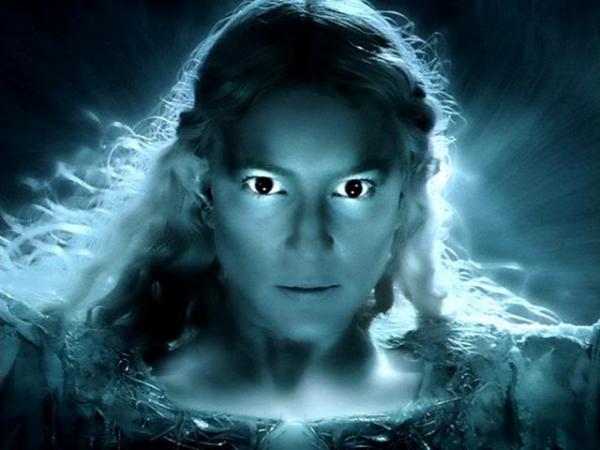
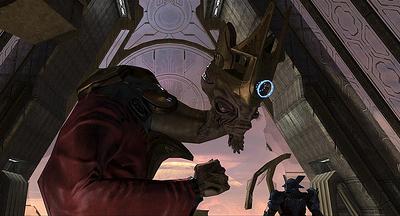
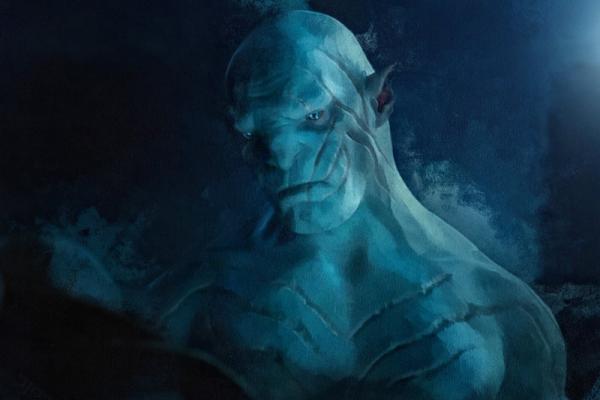
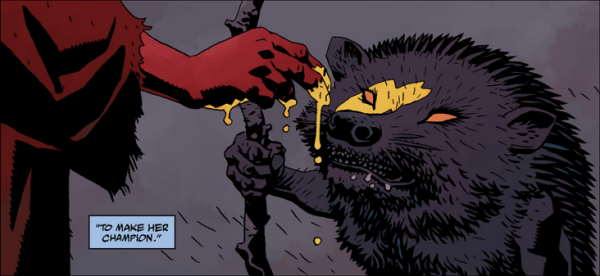
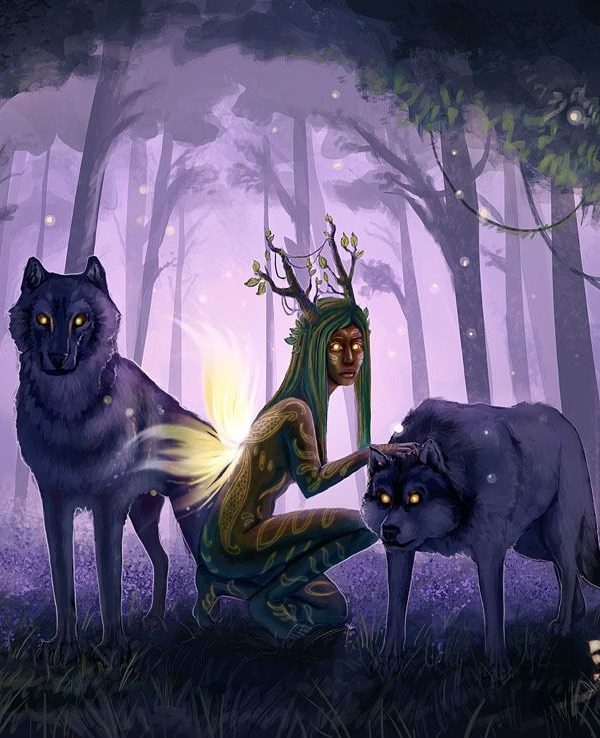
They look like us, but they are not us

They look like people, and they talk like people. But they don’t think like people, and they don’t feel like people.

They are unable to feel compassion for mortals, and they are selfish beings, rarely thinking of anyone else. They are volatile and erratic, but not easily harmed, and strike out at each other without thought. When they get agitated, things get broken. And they get agitated easily.

They are always dangerous to be around, even when they like you. They are proud and easy to anger, but you must never go with them.

Sun and Green

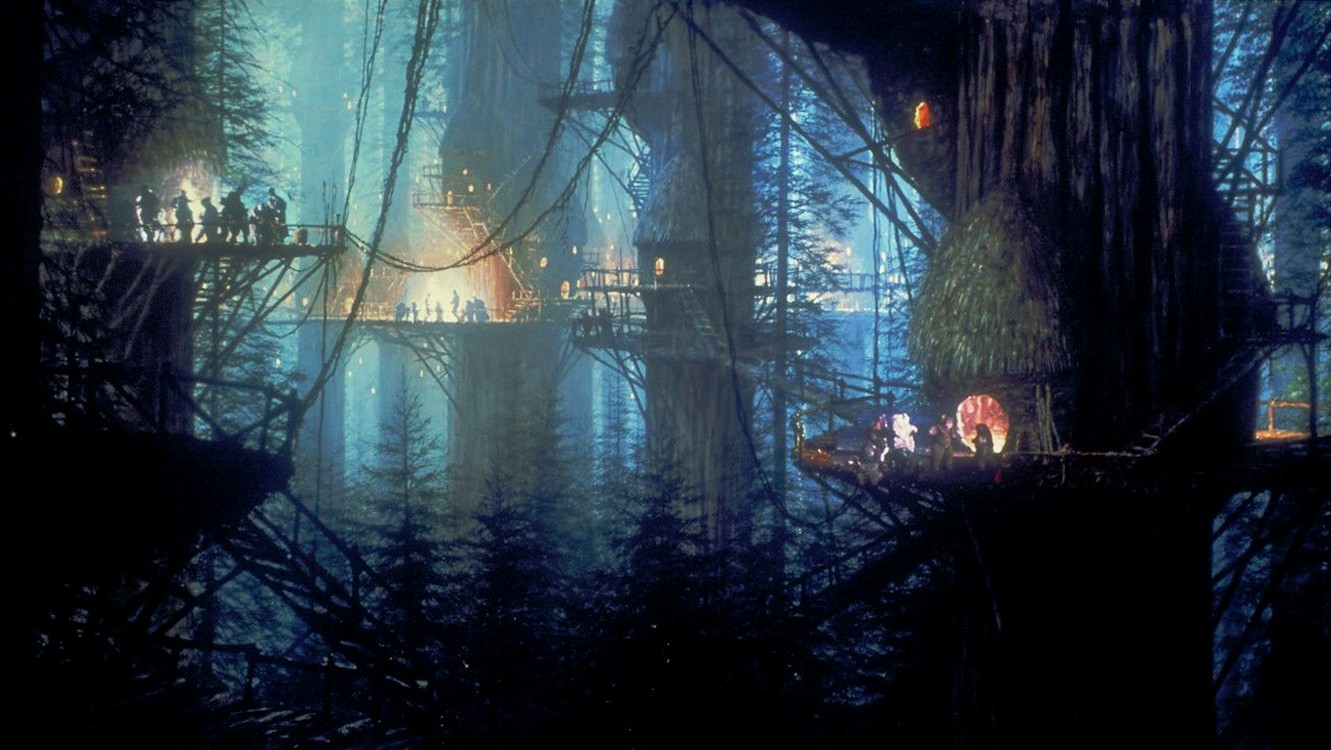
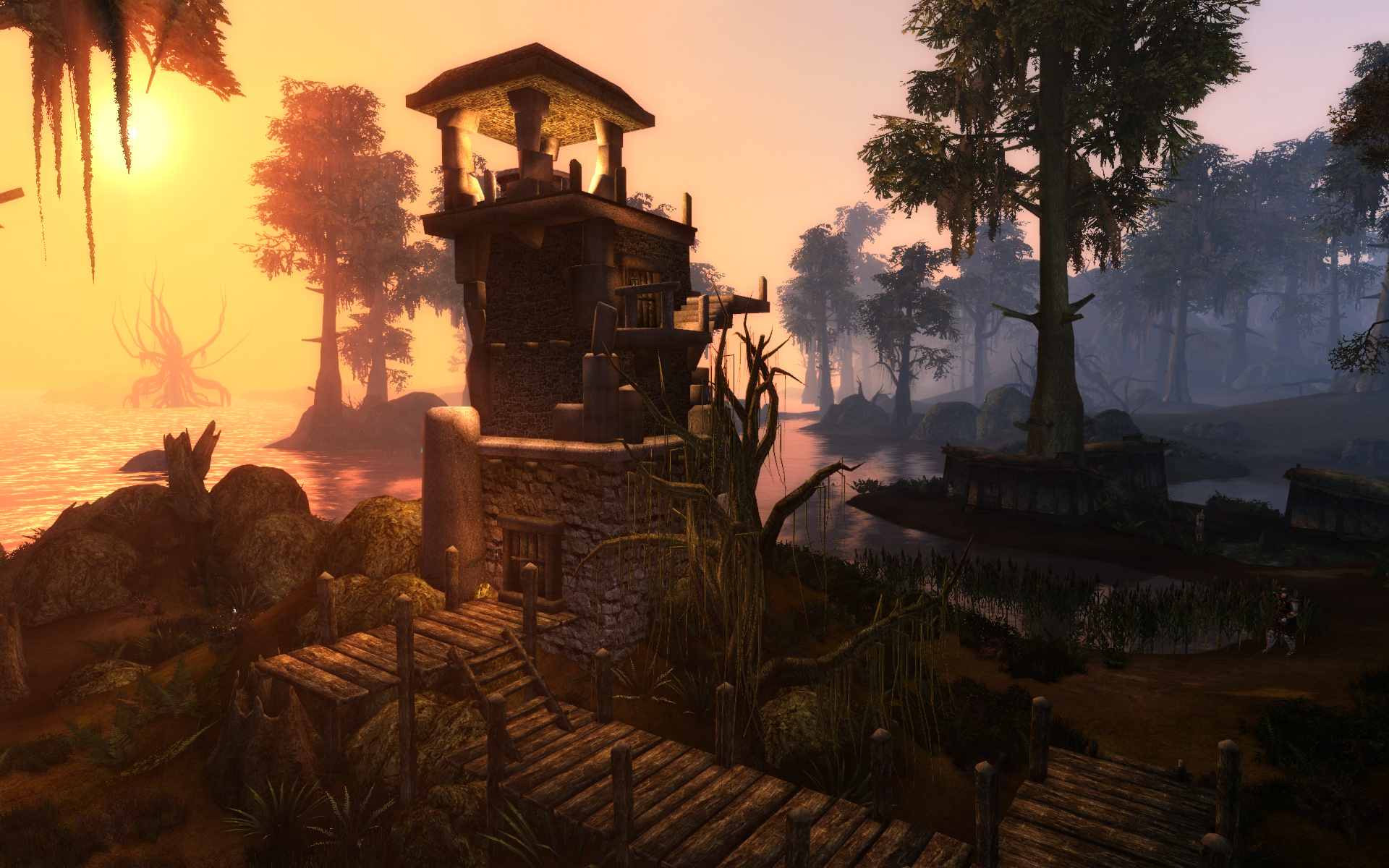
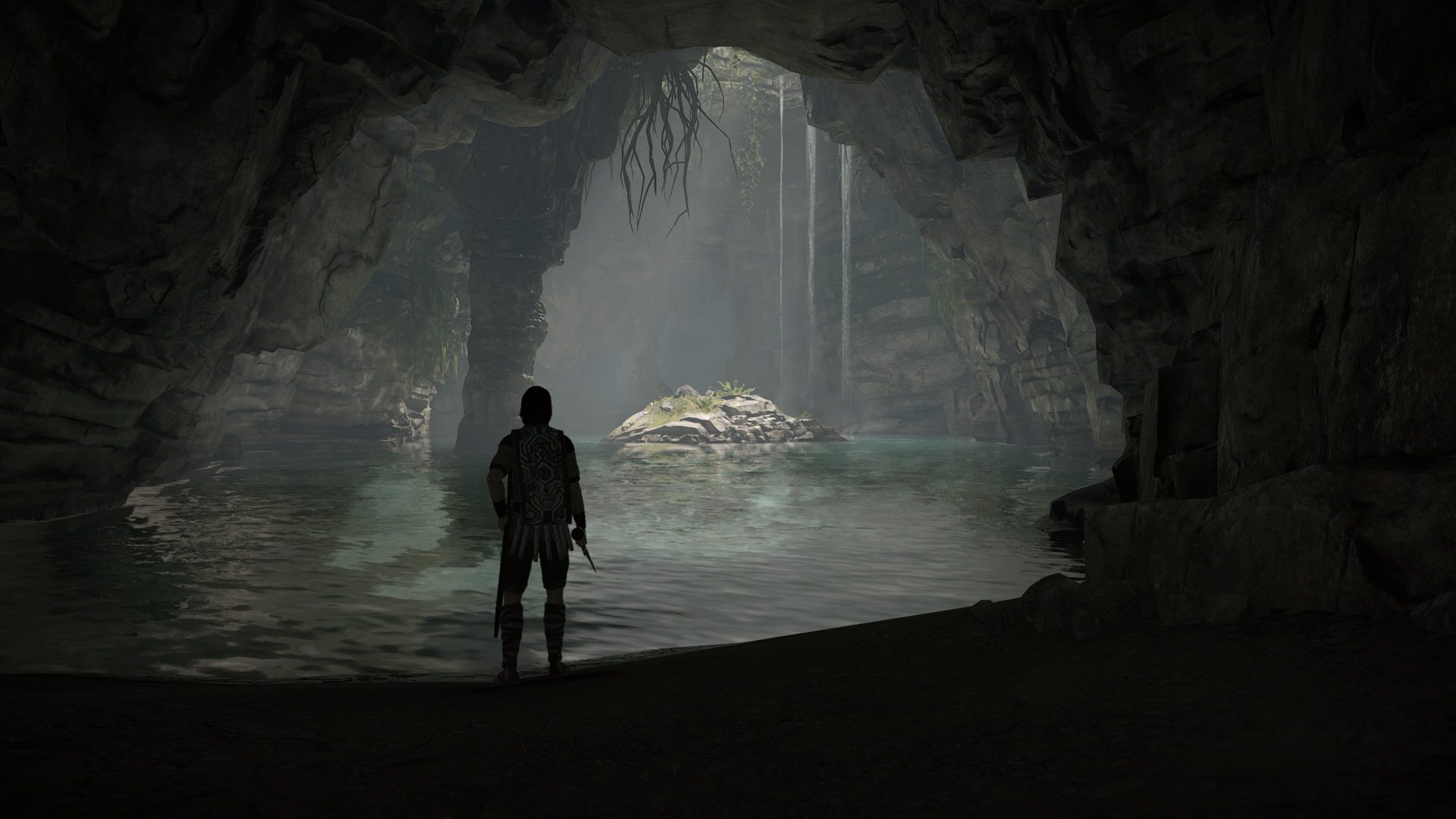
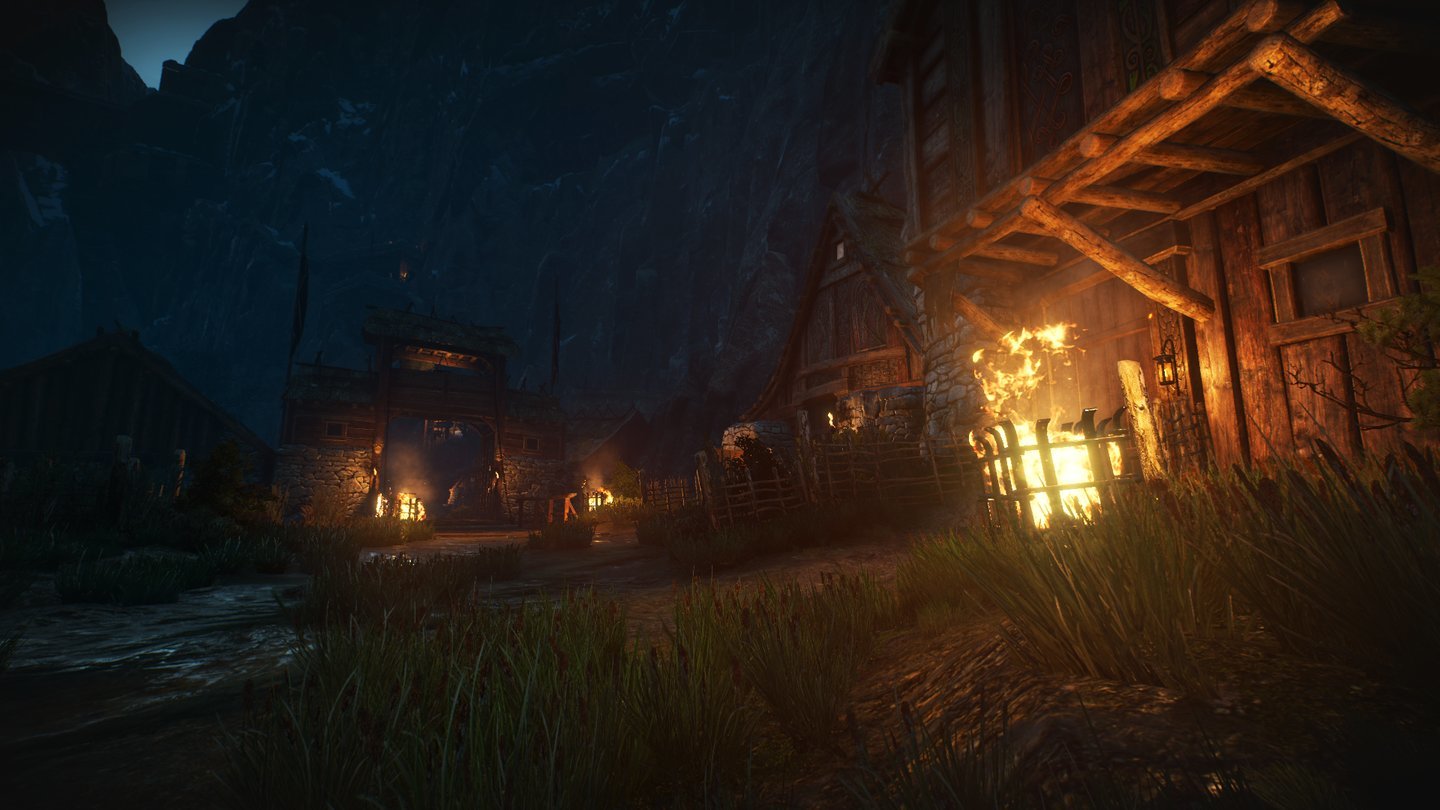
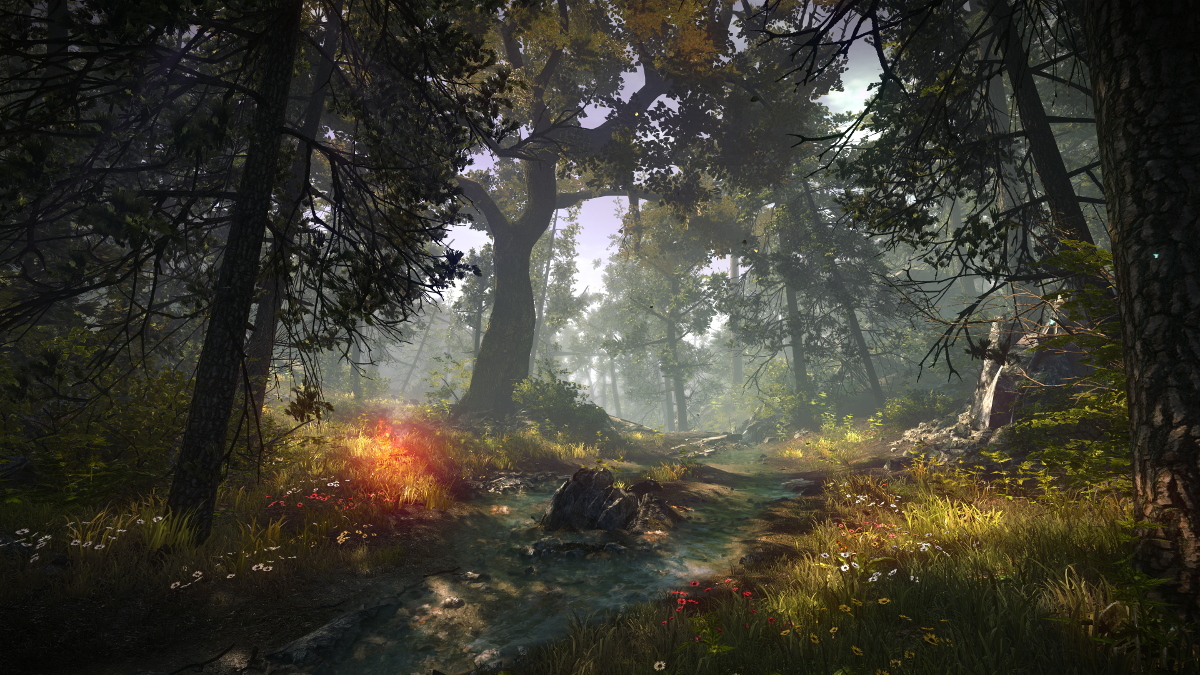
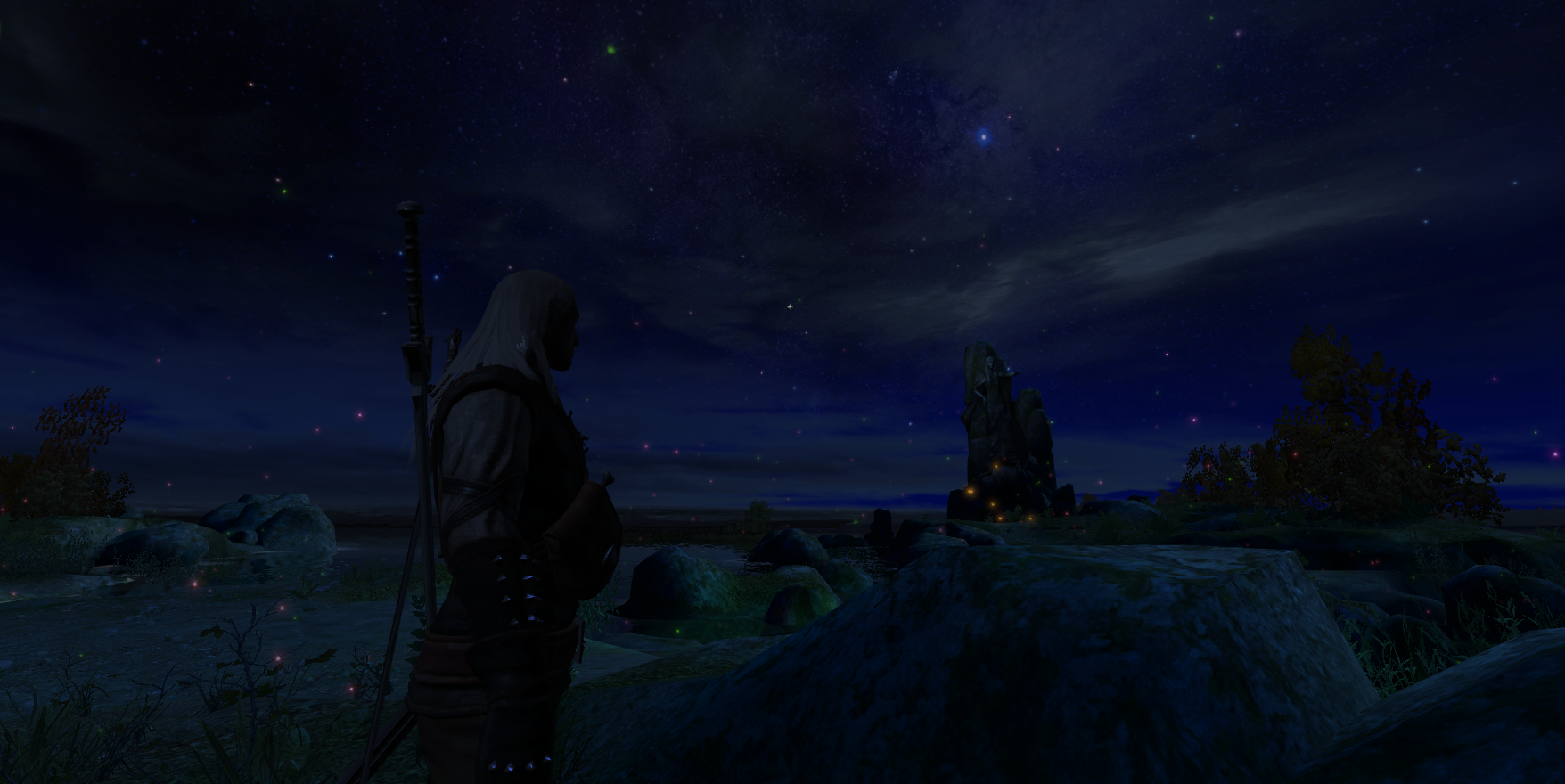
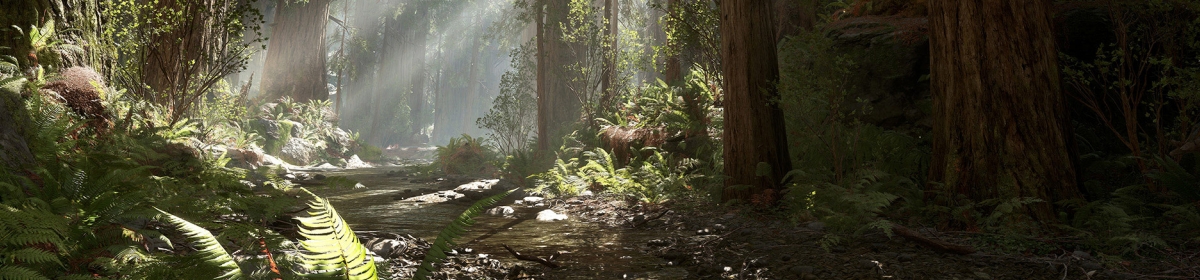
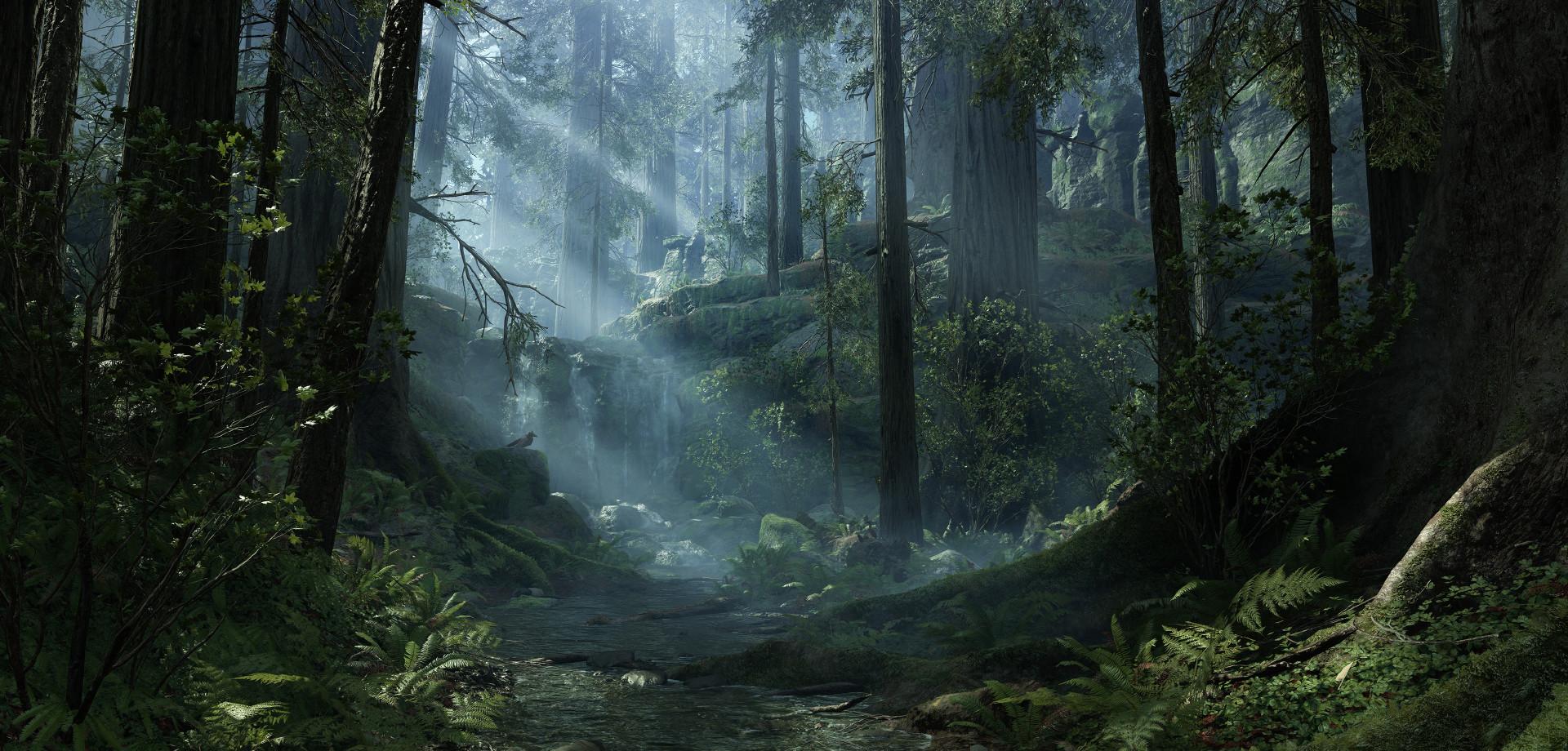
I was hunting for more images to be references for me to remember the core vision I had for my new setting. Going back and looking at the images and listening to the music that inspired always helps me to refocus when my mind is running away with whatever happened to capture my attention that day.

Some of these are so gorgeous that I just want to share them. That most of them is lush greenery and warm sunlight is entirely coincidental. Or rather, unintentional.

The worst thing about worldbuilding

Naming things.

I consider it to be by far the greatest obstacle that is keeping me back with getting anything about a setting typed down. Things are taking more specific shapes and gain more individual characteristics as I write them down, and to write about them they have to have a name.

Names don’t have to be anything fancy. Every made up word sounds a little strange in isolation but it becomes more normal as you are using it. However, in a lot of situation you don’t want your names to look like obviously made up fantasy names. Especially when you are going for a unique style that stands in contrast to Standard Fantasy Settings. And you also don’t want all your made up names to sound the same.

Naming things is the worst part of creating fantasy worlds. It ranges from anoying to frustrating and up to infuriating. But there just isn’t any way around it.

Villains for a treacherous forest world

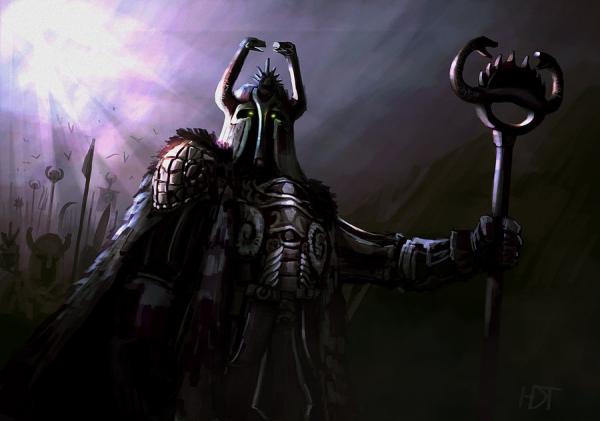
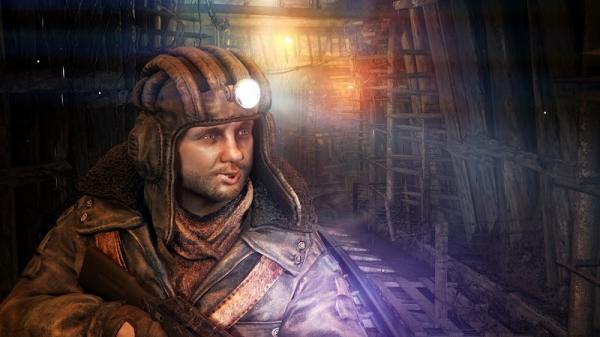
Almost a year ago, I made up a list of great villains from fiction that I want to use as direct inspirations for my own antagonists. Even though this setting is very different in style and tone, I found that this list is still representing my top picks for great antagonists to emulate. They need to be human in their desires and limitations and failings, but also absolutely dispicable. This is what great enemies look like.